Home Library Work with me
Lifestyle Audit Burnout Recovery Habit Mastery Intensive Power Couple Alignment Rise Camp Waitlist
Books Contact

Breaking Bad Habits: Why 92% Fail and the 1 Move That Works

Most people fail at breaking bad habits because they rely on willpower to fight a trigger that’s still sitting in front of them. The move that works is environment design: remove or hide the cue, add friction between you and the behavior, and let your surroundings do the work willpower can’t.

I used to be part of the statistic that quits. You probably are too. We’ve all promised ourselves we’ll stop scrolling, quit the junk food, finally kill the procrastination loop. We throw willpower and motivation and gritted teeth at it. The habit stays anyway.

And it’s not that you aren’t trying. You might be trying hard. That’s the cruel part. You’re just fighting the wrong battle. Let me show you the way I break bad habits without burning through willpower I don’t have.

Why Is It So Hard to Break Bad Habits?

Because you’re trying to out-discipline your environment, and your environment never sleeps. Most people think breaking bad habits is a willpower problem. They believe they need to be stronger, more committed, more motivated. So they grit harder.

That’s swimming upstream in a fast river. You can do it for a few strokes. You cannot do it all day, every day, for months. Willpower is a tank that drains. Your environment is a current that runs 24/7. Bet on the current.

The whole game of self-mastery is realizing your state and your behavior aren’t pure acts of will. They’re mostly responses to the room you’re standing in. Master the room and you barely have to fight yourself at all.

The One Strategy: Make the Bad Habit Invisible

The strongest move for breaking bad habits isn’t to fight the urge. It’s to remove the trigger from your environment so the urge never fires in the first place.

Here’s how I learned it the slow, embarrassing way. I used to mindlessly eat cookies while working. Every afternoon, like clockwork, I’d grab a handful off the kitchen counter. I tried willpower. I tried portion control. I tried promising myself “just one.” Nothing held.

Then I did something almost stupid in how simple it was: I moved the cookies to the garage.

Now if I want a cookie, I have to get up, walk outside, and deliberately go get one. That short walk is enough to break the spell. It buys me ten seconds to ask, “Do I actually want this, or am I just on autopilot?” Most of the time the answer is no, and I never make the trip. I didn’t beat the craving. I just made the craving expensive.

Why Environment Design Beats Willpower

Your brain takes the path of least resistance. Always. It’s constantly scanning for the easiest available option and then doing that. So the question isn’t “how do I become more disciplined.” It’s “what’s the easiest thing to do in this room, and is it the thing I want?”

When you make a bad habit harder to reach, you add friction. When you make a good habit easier to reach, you remove friction. That’s it. This isn’t grit. It’s strategic laziness pointed in the right direction.

The Friction Formula

Bad HabitCurrent EnvironmentNew EnvironmentResult
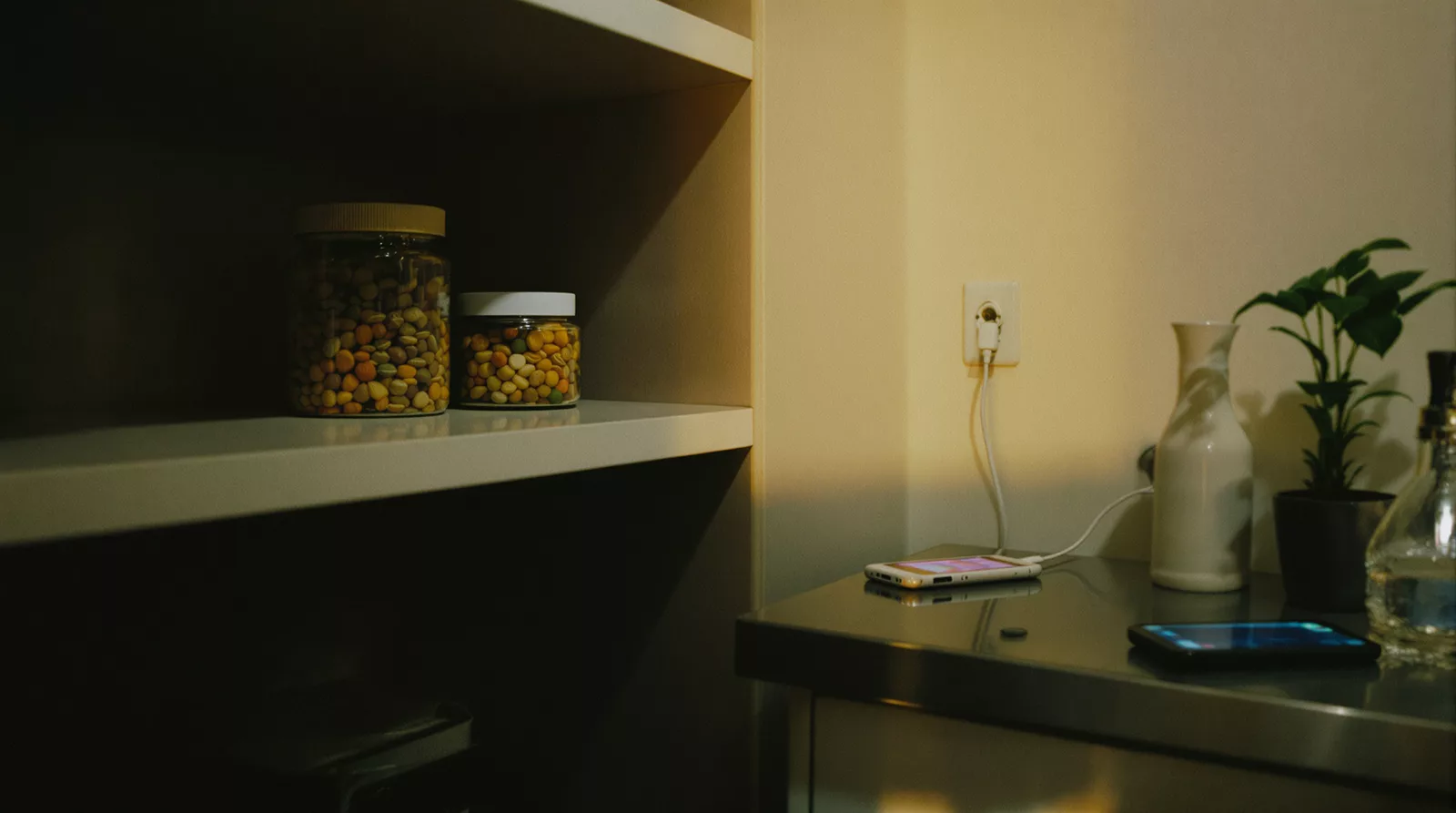
Phone scrollingPhone next to bedPhone charging in kitchenYou have to get up to check it
Junk food snackingChips on the counterChips in the garageExtra steps create a pause
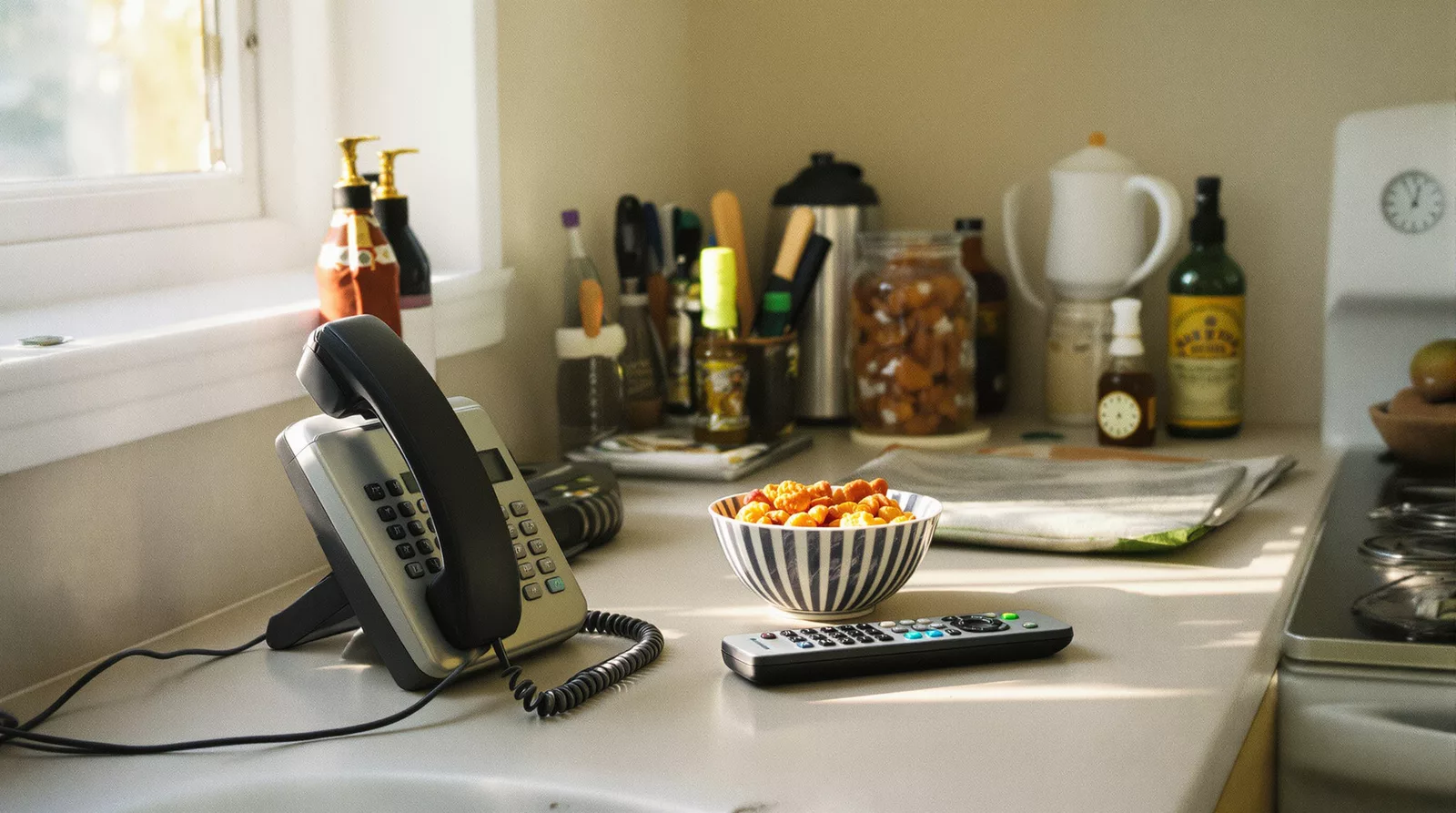
TV binge-watchingRemote on coffee tableRemote in a drawer, autoplay offSmall barrier breaks autopilot

How to Break Bad Habits: A 3-Step Process

You don’t need to overhaul your life. You need a system you can run on one habit at a time. Here’s the one I use.

Step 1: Find the trigger

Every bad habit starts with a cue, the thing in your environment that kicks off the behavior before you’ve consciously decided anything. Common ones:

  • Your phone sitting within arm’s reach
  • Junk food in your line of sight
  • The TV remote on the coffee table
  • Social apps on your home screen
  • Cigarettes in the car

Step 2: Remove the trigger

This is where most people get it wrong. They try to resist the cue instead of deleting it. Don’t resist. Make it invisible:

  • Charge your phone in another room overnight
  • Put the junk food in the garage or basement, or don’t buy it
  • Store the remote in a drawer and turn off autoplay
  • Move social apps to the last page of your phone
  • Keep cigarettes somewhere genuinely annoying to reach

Step 3: Add friction

If you can’t remove the trigger completely, make acting on it harder. You’re not trying to make it impossible, just inconvenient enough that autopilot stalls and your conscious brain gets a vote:

  • Log out of social accounts after every use
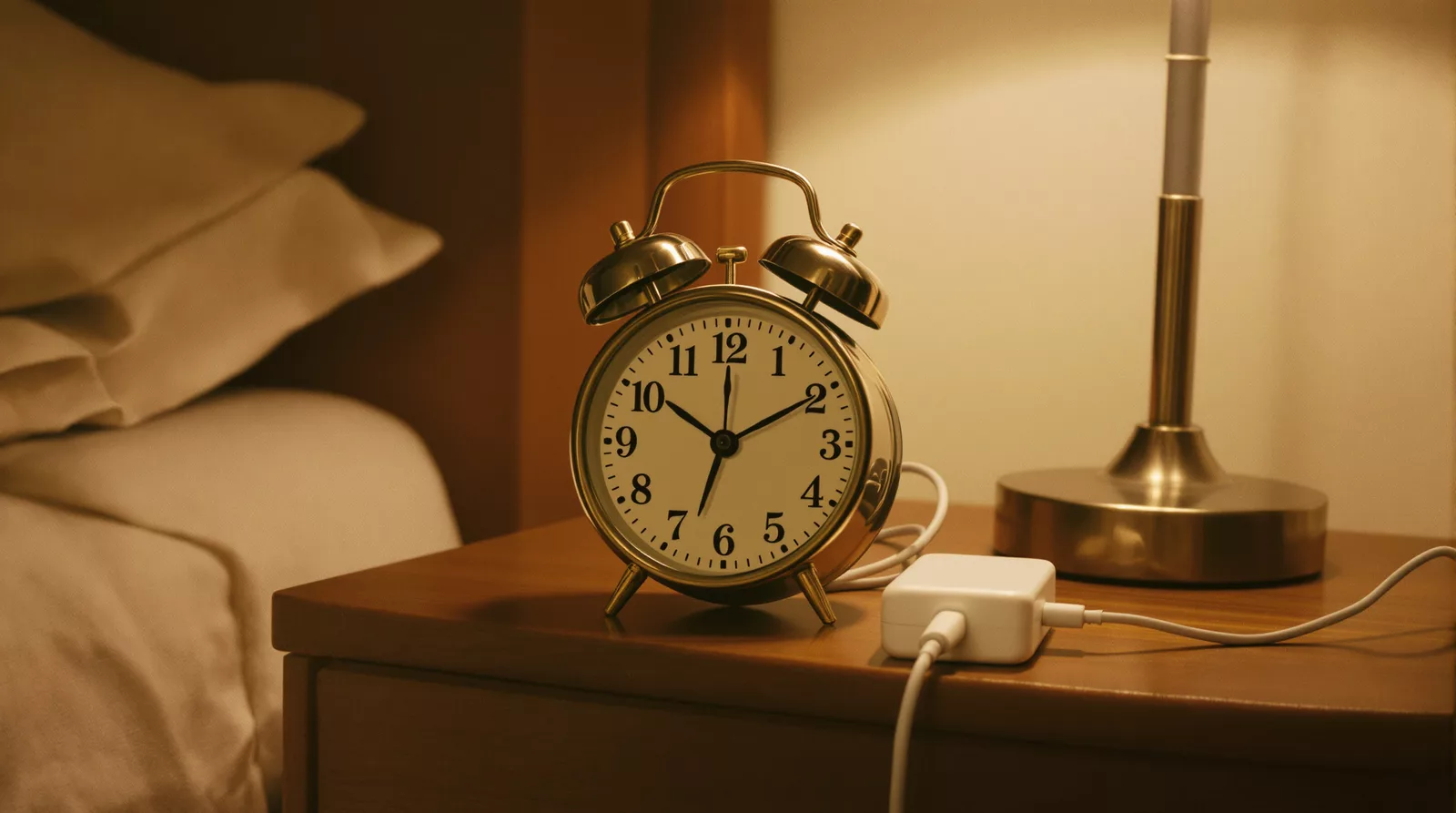
  • Use a real alarm clock so the phone stays out of the bedroom
  • Run a website blocker during work hours
  • Leave the credit cards at home when you go out

Real Examples That Worked for Me

The social media loop

Before: Instagram on my home screen, always logged in.
After: Buried in a folder on the last page, logged out after each use.
Result: A massive drop in mindless scrolling, because the open-by-reflex move no longer existed.

Late-night snacking

Before: Chips and cookies in the kitchen pantry.
After: Moved to garage storage.
Result: Snacking became a conscious decision instead of a reflex, which killed most of it.

Evening TV

Before: Remote on the coffee table, Netflix autoplaying the next episode.
After: Remote in the bedroom drawer, autoplay off.
Result: Far more intentional viewing, because nothing decided for me.

The Psychology Underneath

When you change your environment, you’re not just moving objects. You’re changing your automatic responses. Most bad habits run on autopilot: your brain sees the cue, runs the routine, collects the reward, all without conscious thought entering the room.

Remove or hide the cue and you break that loop. The behavior can’t fire because the thing that fires it is gone. That’s the real secret to breaking bad habits and making it stick: you don’t fight harder, you redesign the trigger out of existence.

And there’s a bonus. Designing your own environment is a quiet act of self-mastery. Every time you set up the room to make the right thing easy, you’re proving to yourself that you run your behavior, not your impulses. That belief compounds. For more on that side of it, see the rest of my mind mastery writing.

Your 3-Week Action Plan

Week 1: Audit your environment

Walk through your space and notice:

  • Which bad-habit triggers are sitting in plain sight?
  • What makes your worst habit easy to do?
  • What cue starts the behavior before you’ve decided anything?

Week 2: Remove one trigger

Pick your biggest habit and pull its main trigger out of your environment. Don’t try to fix everything at once. One trigger, one week. The focus is the point. People who try to change ten things change zero.

Week 3: Add friction

For anything you can’t fully remove, add steps between you and the behavior. Not impossible, just inconvenient. Inconvenient is usually all it takes to break the autopilot. If you want a structured way to run this kind of system, the rest of my protocols are built on the same idea.

The Bottom Line

Breaking bad habits was never a willpower problem. It’s a design problem. Make the bad habit invisible. Make the good habit obvious. Then let the room carry the load your discipline keeps dropping.

So do this now, not someday. Pick one bad habit. Name what triggers it. Move that trigger somewhere annoying, or out of the house entirely. Make it invisible. That single change does more than any motivational pep talk ever will, because you stop relying on a future version of yourself who magically has more willpower, and you start engineering the present one to win by default.