

Living in Cyprus: An Honest Review After the Better Part of a Decade
My first winter in Cyprus, I drove the coast road out of Paphos in a t-shirt with the windows down, the sea on my right, in the middle of January. I had just left Malta after five years there. I remember thinking, clearly, this is it. This is where I build the next chapter.
I’ve now been living in Cyprus for the better part of a decade, as an expat and an online entrepreneur. Long enough to stop seeing it through holiday eyes and start seeing it for what it actually is, the good and the annoying. So here’s the honest version.
The short answer: living in Cyprus means low taxes, an EU base, sunshine almost all year, one of the lowest crime rates in Europe, and a fast-growing community of entrepreneurs. It isn’t perfect, and parts of it run on island time. But for building a focused, deliberate life, it’s hard to beat.
Why I left Malta for Cyprus
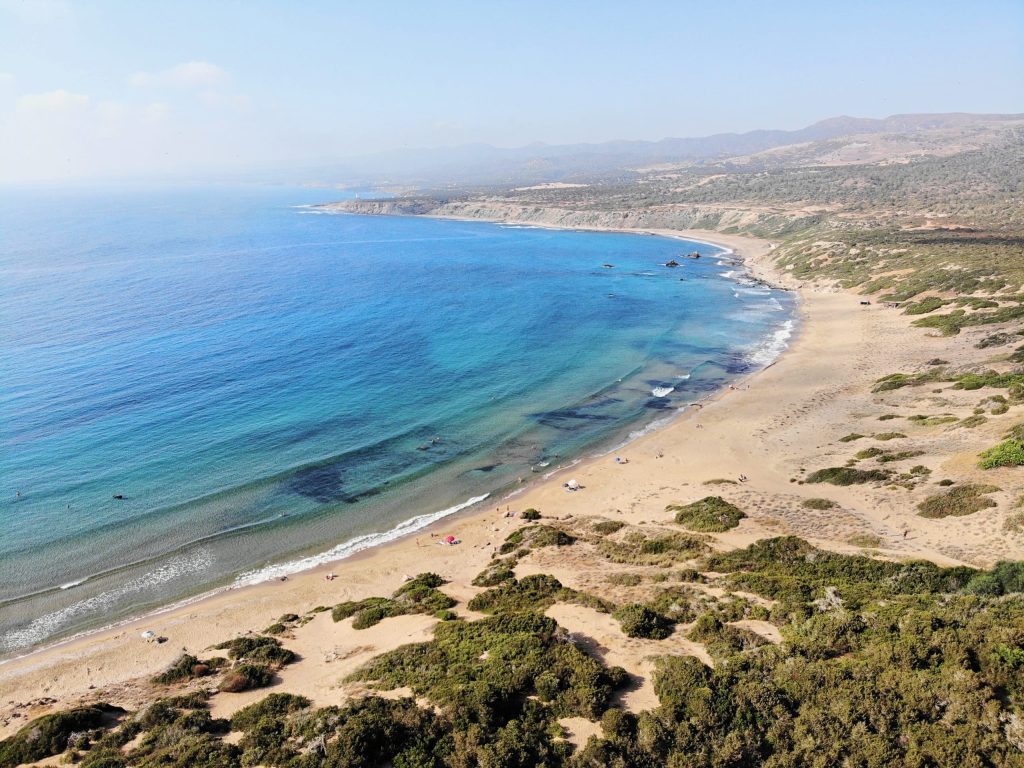
Malta is beautiful and I loved my years there. But it’s small, and over time it got too crowded for me. Cyprus is an island roughly 40 times larger, with far more beaches, more space, and reasonably priced villas surrounded by nature. That space was the thing that pulled me across.
Here’s how I actually think about a move like this, and it’s the through-line of everything I write: where you live is not a lifestyle accessory, it’s an input. Your environment quietly sets your default mood, your energy, who you bump into, and how much deep work you get done. Most people never choose it on purpose. They inherit it. Choosing your environment with intent is one of the most powerful self-mastery decisions you can make, and it’s the reason I picked Cyprus rather than drifted into it.
Why Cyprus Keeps Pulling in Entrepreneurs and Nomads
Cyprus is an island in the eastern Mediterranean with a population of around 1.2 million. The main language is Cypriot Greek, but English is everywhere. Between the tax benefits, the weather, and the stability of being inside the EU, it pulls in a lot of expats and businesses, and more every year.
The digital nomad and online entrepreneur crowd has noticed. Low taxes, a simple company structure, EU membership, growing communities, and good flight links to Europe and the Middle East. For a remote-first founder, Cyprus ticks most of the boxes.
I think it keeps growing from here. The world is moving toward remote work, and more people are realising it isn’t actually that hard to move abroad. The trick to a good life here is the same as anywhere: learn the place. Knowing the right spots and the right people makes the move far smoother than going in cold.
I’ve built a community of growth-minded people living in Cyprus. We run networking parties and regular meetups. Send a message if you feel like a good fit.
8 Reasons Living in Cyprus Might Be for You
Cyprus is the third largest island in the Mediterranean. Roughly 22% of the population are foreign nationals or expats, which tells you something on its own. Here are the eight things that actually make the difference day to day.
1. The Beaches Are Genuinely Amazing
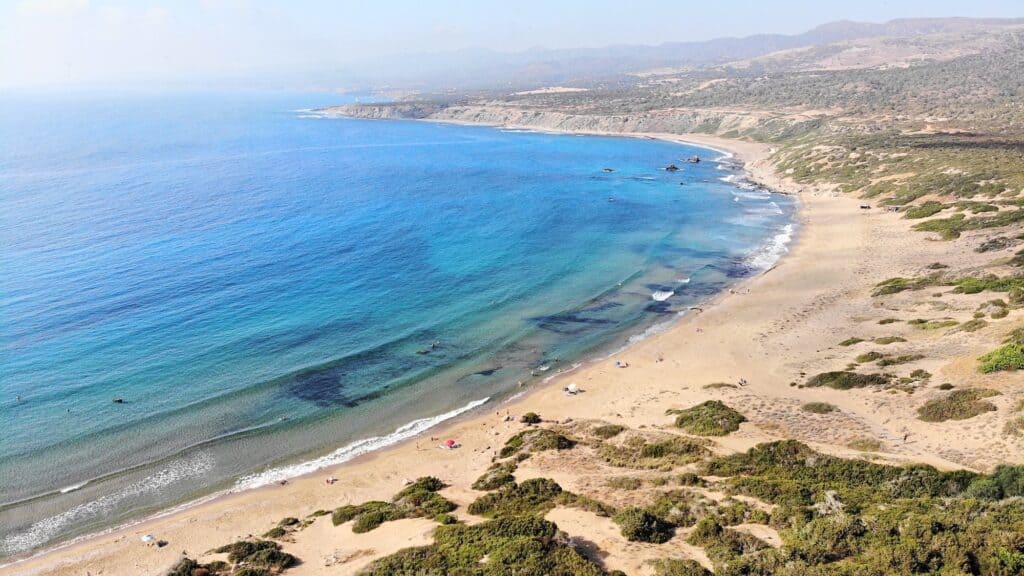
This is still one of my favourite parts of life here. There are dozens of clean, blue-flag beaches across the island, plenty of them set up for jet skiing, wakeboarding, and water skiing. On the west coast around Paphos there’s often a westerly swell that’s good for surfing, and the diving is excellent, with sites like the Amphorae Caves and the MS Zenobia wreck.
2. It’s an EU State
Cyprus is part of the European Union, so you get free access to the single market and the same rights as any other EU country. The currency is the Euro, which makes banking, moving money, and integrating your financial life a lot simpler.
3. Some of the Best Weather in Europe
The weather is the thing people underrate until they live with it. Cyprus has one of the warmest summer and winter climates in the Mediterranean. Most of the year sits in that comfortable range where you’re outside, by the sea, in light clothes.
The flip side: July and August get genuinely hot, 30C plus on the coast. If you’re coming from a cold, wet, grey country like I did, that takes some adjusting. But look at how mild the rest of the year is:
| MONTH | DAY °C | NIGHT °C | WATER °C | SUNLIGHT HOURS |
|---|---|---|---|---|
| January | 17 | 8 | 18 | 5 |
| February | 17 | 7 | 17 | 7 |
| March | 19 | 9 | 17 | 7 |
| April | 23 | 12 | 18 | 9 |
| May | 27 | 16 | 20 | 11 |
| June | 30 | 20 | 24 | 13 |
| July | 32 | 22 | 26 | 13 |
| August | 33 | 23 | 27 | 12 |
| September | 31 | 20 | 26 | 11 |
| October | 28 | 17 | 24 | 9 |
| November | 23 | 13 | 22 | 7 |
| December | 18 | 9 | 19 | 5 |
4. A Low Cost of Living
Is it expensive to live in Cyprus? Not really. The overall cost of living is fairly low compared to most of Western Europe. A few things cost more because they have to be imported (cars are the obvious one), so factor that in. But day to day it’s reasonable.
A meal out for two runs around 25 to 30 euro. If you like Greek and Middle Eastern food, the traditional tavernas serve great quality for the price. For context, Expatistan puts Nicosia and Limassol as the most expensive cities here, and even Nicosia comes out meaningfully cheaper than a city like Stockholm.
5. The People Are Warm
Cypriots are friendly and welcoming to foreigners. They’re loyal, proud of their food and traditions, and from my experience well educated and comfortable in English. My advice: actually mix with locals rather than staying in the expat bubble. That’s how you get the real version of life here.
6. A Low Crime Rate
Is Cyprus safe? Yes. Even with the island divided since 1974 and the old tensions between the Turkish and Greek Cypriot sides, it’s one of the safest countries in Europe to live in. Numbeo consistently shows a low crime rate and high safety scores. You feel it in small ways, like not thinking twice about where you park or walk at night.
7. English Is Widely Spoken
The official languages are Greek and Turkish, but English is used everywhere. Road signs, menus, and government documents come in English, and Cypriots learn it in school, so there’s barely a language barrier. With so many founders moving here, the nomad hubs have gone properly international, with large numbers of Germans, Scandinavians, and others living and working on the island. At a meetup you’ll hear five languages in one room.
8. Low Taxes
Is Cyprus a tax haven? Yes and no. It’s not a zero-tax flag, but the overall tax pressure is low enough that it looks very attractive next to most home countries. As a non-domicile resident, you can apply for an exemption that covers dividends, which is a big deal if you run a company.
Building itself into a hub for business and finance has been a priority for Cyprus for decades. The structure has changed over the years, but the core benefits are still here. If you want help setting up your tax residency, you can contact me.
Corporate Tax
The corporate tax rate is 12.5% and applies to all Cypriot resident companies, with some exemptions. Dividend income, certain interest income, and foreign exchange gains (with restrictions) are exempt. As in most countries, business expenses and interest are deductible.
Income Tax
On the personal side, dividends and interest income are also exempt from income tax under non-dom status. To qualify as a tax resident the standard rule is spending more than 183 days a year here, though there’s also a 60-day route under specific conditions, and owning or maintaining property can support residency too.
The standard VAT rate is 19%, with reduced rates of 9% and 5% in some cases. One thing people appreciate: your personal banking details are only shared with your local bank when you open an account, not handed out to third parties outside Cyprus. Income tax is banded by income:
| BRACKET | ANNUAL INCOME | RATE |
|---|---|---|
| 1 | up to €19,500 | 0% |
| 2 | €19,501 – €28,000 | 20% |
| 3 | €28,001 – €36,300 | 25% |
| 4 | €36,301 – €60,000 | 30% |
| 5 | €60,001 and over | 35% |
Tax rules change, so always confirm the current numbers with a local advisor before you plan around them.
Other Things You Should Know Before Moving to Cyprus
A Divided Island Since 1974
The island is split in two: Northern Cyprus, which is Turkish controlled, and the South, the Republic of Cyprus. A border region cuts right through the capital, Nicosia. You can cross it, but there are strict passport and vehicle checks. I live in the Republic of Cyprus, the South, which is the EU part and where most people move.
The Housing Situation
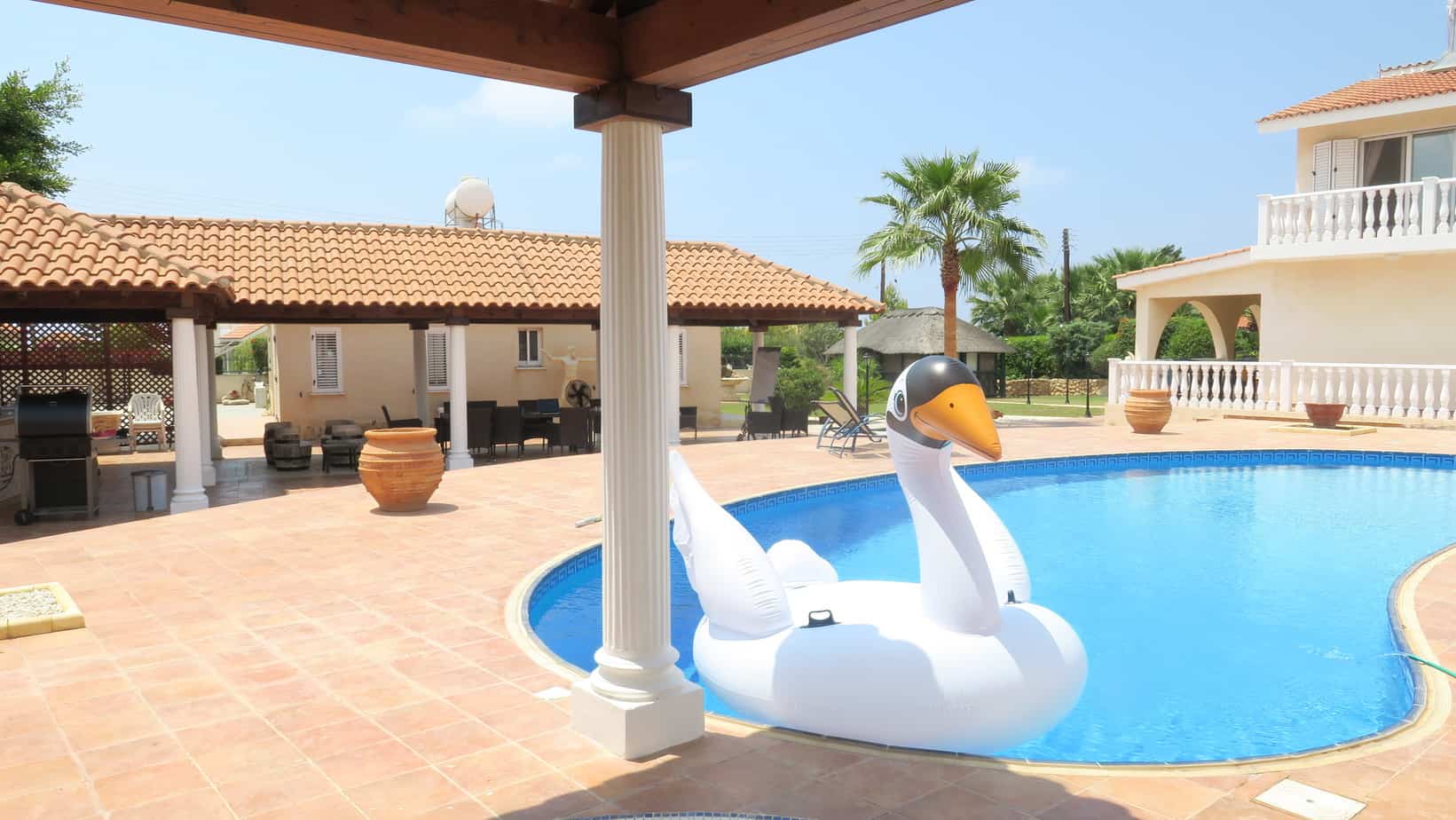
House prices vary by city, but the market overall is decent for both renting and buying. Like everywhere in Europe, prices have climbed over the years. From my own house hunting, the most affordable villas are around the Paphos region, where there’s enough space to find large plots surrounded by nature. You can sanity-check the trend on the house price index.
The easiest route is to find a good agent who searches against your requirements. Unless you want something very specific, you’ll usually find a place and move in within a few weeks. If you want my contacts for solid agents, send me an email.
Getting Around
You need a car in Cyprus. Full stop. My advice is to rent while you’re visiting and buy once you’ve settled. Public transport is limiting, and a car is more cost effective and gives you the freedom to actually explore the island, which is the whole point of living somewhere this beautiful.
Getting on and off the island is easy. There are direct flights to Cyprus from many European cities, through two main airports, Larnaca International and Paphos International. Routes run to mainland Europe, the UK, Israel, Lebanon, Jordan, and Middle Eastern hubs like Egypt, Qatar, the UAE, and Bahrain. The shortest hop is Tel Aviv, around 45 minutes, perfect for a weekend. Limassol also has a port for ferries and cruise ships.
There’s a bus service linking the main cities and plenty of taxis, but taxis are pricey. If you go that route, agree the fare before you get in.
Cities in Cyprus: Which One Is for You?
There are four main cities, Nicosia, Larnaca, Limassol, and Paphos, and each has its own character. Here’s the quick version before I break them down:
| City | Pros | Cons | Good for |
|---|---|---|---|
| Nicosia | Job opportunities, culture, big city. | No sea, very hot summers, traffic. | Career options. |
| Limassol | Central location, nightlife, finance jobs. | Most expensive, less nature, traffic. | Singles, finance industry. |
| Larnaca | Beautiful beaches, cosy coastline, reasonable prices. | Touristy, less varied nature. | Families, younger people. |
| Paphos | Great nature, least traffic, affordable rentals. | Slower in winter, less developed. | Families, nature lovers, calm life. |
Nicosia (the Capital)
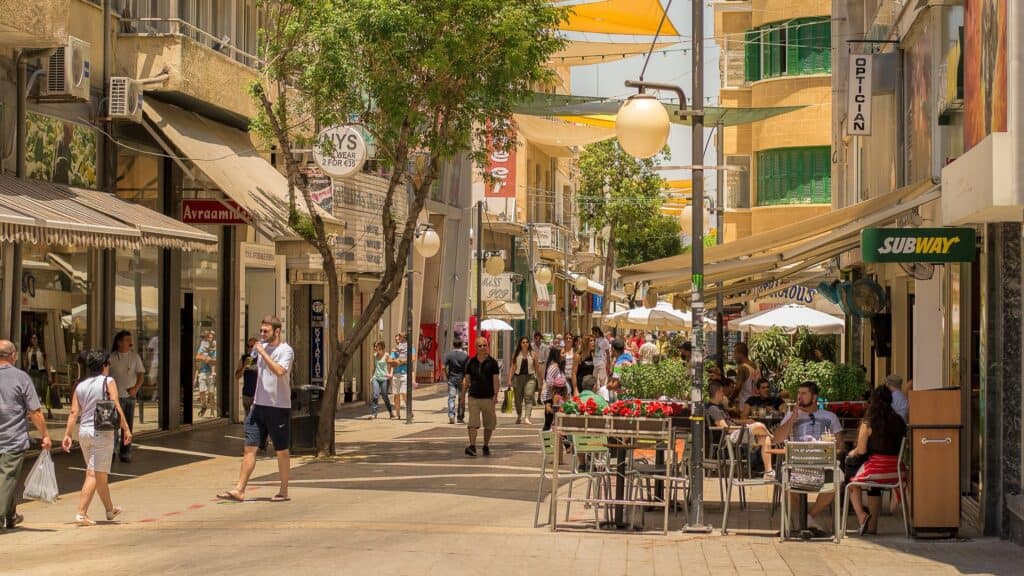
Nicosia is the largest of the four and where many big businesses keep their headquarters. It’s also the only capital in the world still divided in two, with a “Green Line” separating the Greek and Turkish Cypriot areas. Plenty of culture, shopping, and nightlife, but no sea, and the summers inland are brutal.
Larnaca
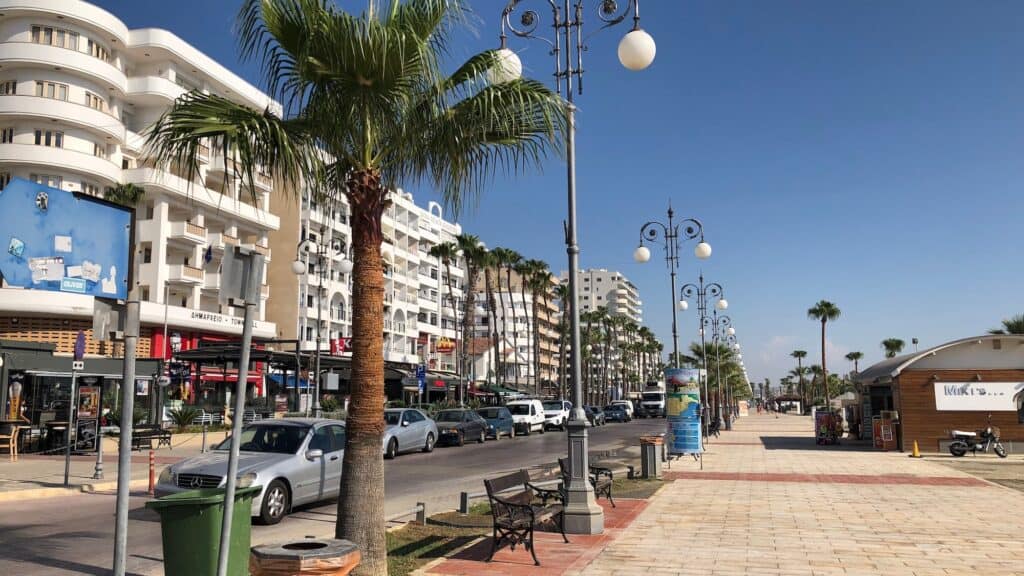
Larnaca is a tourist hotspot thanks to the main airport and its closeness to Ayia Napa and its party scene. Behind the tourism it has golden beaches, good food, and real culture. The diving is strong here too, including the MS Zenobia wreck. It’s also one of the main nomad hubs, with regular networking meetups for entrepreneurs.
Limassol
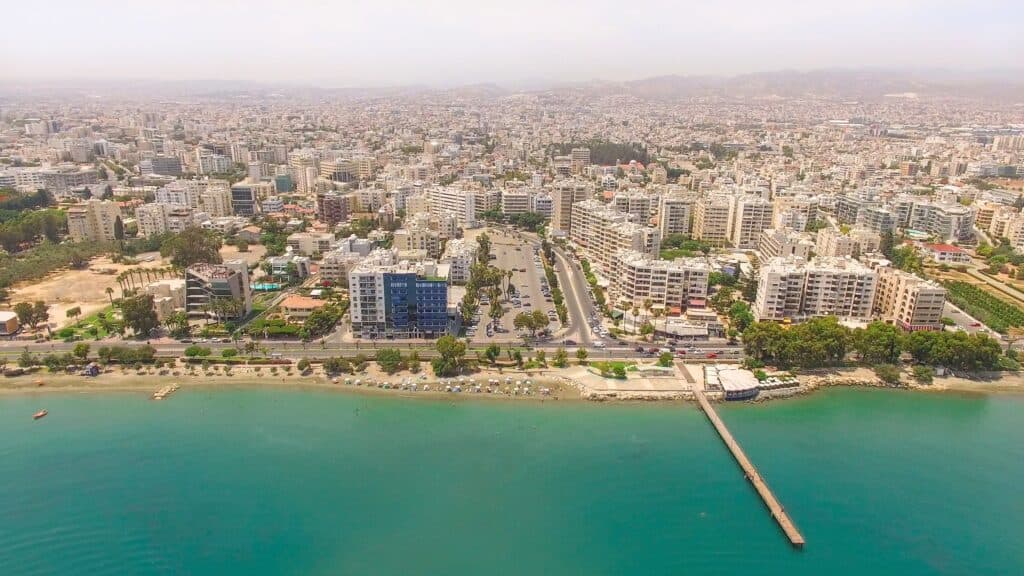
Limassol is the second largest city, on the south coast, known for its marina packed with restaurants, bars, and shops, plus a lot of culture, history, and galleries. Outside the city you’ll find beautiful golden-sand beaches with clear water, like Governor’s Beach, Lady’s Mile, and Kourion. It’s the priciest place to live, but it’s where a lot of the finance crowd bases itself.
Paphos
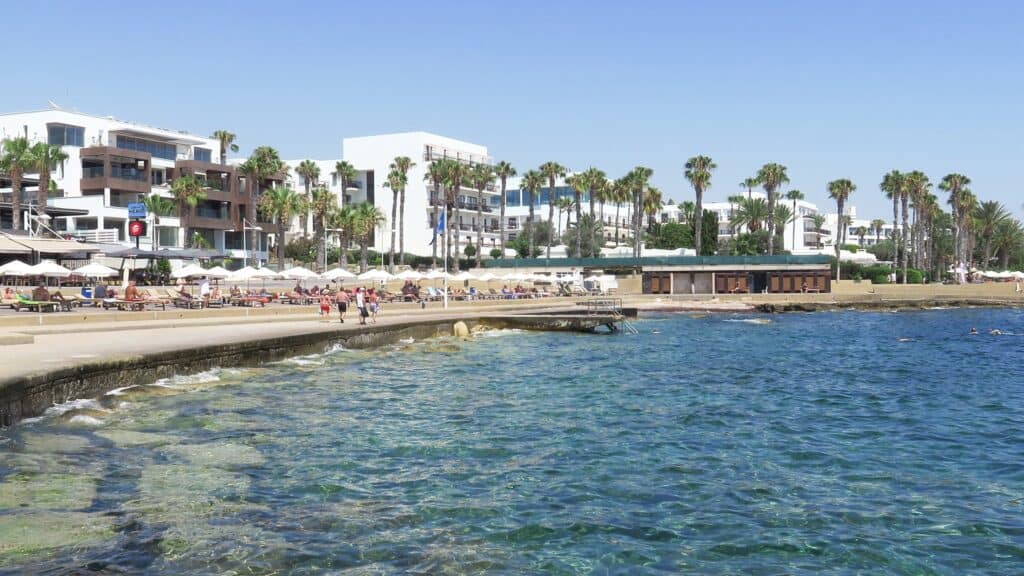
Paphos is the smallest of the four, with a beautiful harbour full of restaurants and bars and a lot of history to dig into. This is where I chose to base myself. When I moved here I fell for the nature and the space, the affordable large villas, the good transport links through Paphos airport, and the quiet beaches.
The region is home to Aphrodite’s Rock, said to be the birthplace of the Greek goddess of love, and the Tomb of the Kings, a World Heritage site of underground tombs dating to the 4th century. Overall Paphos is more relaxed than the other three, the right fit if you want a slower pace and room to think.
Things to Do in Cyprus
There’s more to do here than people expect. A few of my personal favourites:
- Skiing in the Troodos mountains (yes, you can ski and swim in the same week)
- Watersports and boat hire
- Visiting the turtle haven at Akamas
- The Tomb of the Kings in Paphos
- Crossing the “Green Line” in Nicosia
- The restaurants, bars, and nightlife across the island
The Entrepreneur and Business Community in Cyprus
This, for me, is the real reason Cyprus works. The low tax pressure keeps attracting businesses, and the entrepreneur community is growing fast. It’s easy to find like-minded people who’ve made the same move, once you know where to look.
That’s exactly why I built Rise Society, my community for growth-minded entrepreneurs on the island. We run regular events and networking parties, usually bringing together 50 to 100 founders across different nationalities and industries. If you’re moving here and want to plug into a serious circle fast instead of spending a year figuring it out alone, that’s the shortcut.
For workspace, we run our own Rise Society co-working space in Paphos. It’s a proper base for founders: fast internet, the team and community in the room, and the kind of environment that actually pushes your work forward instead of letting you drift. If you want a desk or an office while you settle in, start there.
Becoming a Resident of Cyprus
EU nationals can become tax residents of Cyprus fairly easily. The process can take a while, but the requirements are low. The standard rule is spending at least 183 days a year here. There’s also a 60-day option, but only if you’re not a tax resident anywhere else and don’t spend more than 183 days in any single country.
Non-EU nationals apply for different visas depending on why they’re moving, with student visas and temporary residence permits the most common. There’s also an investment-based residence route. Note that the old “passport for investment” scheme was scrapped back in November 2020, so citizenship by investment is no longer on the table.
Setting Up a Company in Cyprus
With so many founders moving here, company setups are rising, which makes sense given the low tax pressure and affordable running costs. To be straight with you, Malta’s corporate tax (effectively around 5%) can come out lower than Cyprus (12.5%), so on pure tax a Maltese company can still win. But Cyprus has other advantages, and setting up here is straightforward. If you need legal contacts to get started, I can help. Get in touch here.
Larnaca or Paphos as an Entrepreneur?
This is the classic question. Both are great for founders, it just comes down to the life you want. Want a bit more buzz and things going on? Larnaca. Want a slower pace, a big villa, and space to focus? Paphos.
Larnaca
- Larnaca International Airport, with routes to mainland Europe and the Middle East
- Lively nightlife, close to Protaras and Ayia Napa
- More concentrated and busy, with more going on
Paphos
- Our Rise Society co-working space and community events
- Quieter than Larnaca
- More varied nature
- More culture and open space
Internet Across the Island
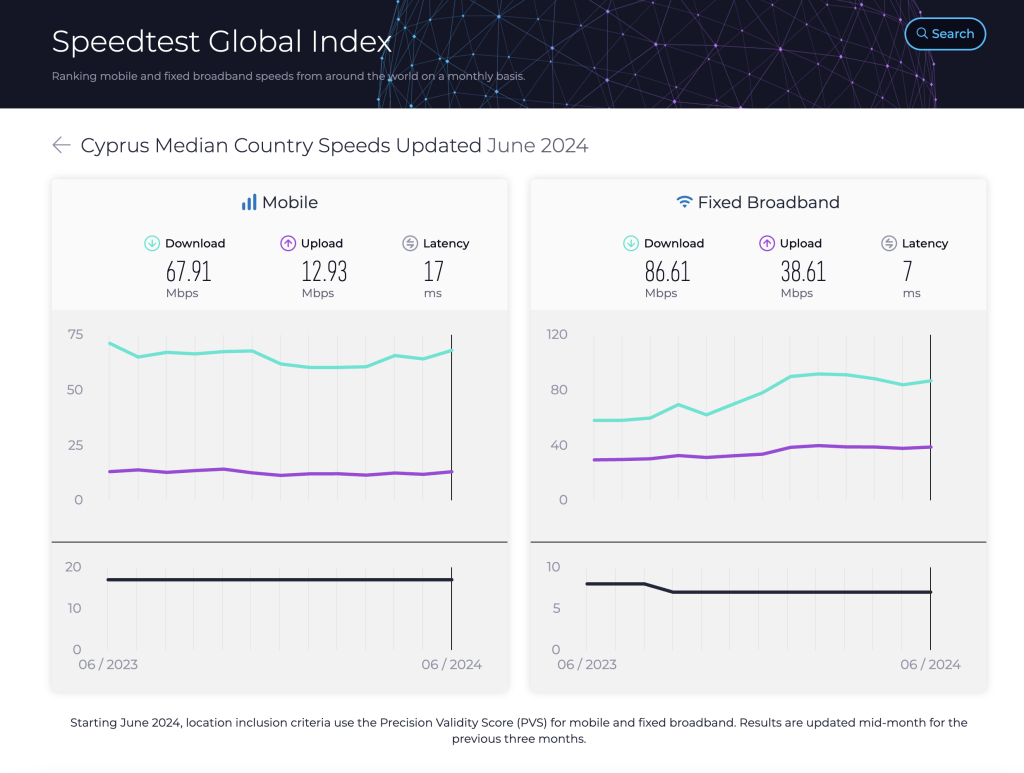
For any online entrepreneur, good internet is non-negotiable. Cyprus isn’t famous for its connectivity, but high speeds are widely available and most areas now have fiber up to 1 Gbit. To give you a real example: my provider called to upgrade my line to 1 Gbit fiber for 35 euro a month. Plenty of restaurants and bars offer free WiFi too, which is handy if you like working from cafes.
So, Should You Move to Cyprus?
Probably. But it depends entirely on what you value. Cyprus is an amazing place, and it’s also not for everyone. Before you commit, spend a few weeks, ideally a month, driving around the island and getting a feel for it. Now let me be fair and give you the downsides.
The Honest Downsides of Living in Cyprus
The main one: Cyprus runs a little behind the more developed parts of Europe. Be ready for a bit of village life. Things tend to work out in the end, but the road there isn’t always straight. You’ll need more patience with local authorities and banks, the infrastructure isn’t cutting edge, opening hours are a mystery, and you can’t even flush paper down the toilet in a lot of places. It’s chaotic.
For me, that’s part of the charm. But if you need a modern, tightly run, everything-works society, Cyprus might frustrate you. The other real downside is the summer heat. The coast gets humid and sits around 32C, and inland near the capital it’s not unusual to hit 42 to 45C. July and August can genuinely wear you down.
My Verdict After All These Years
Cyprus isn’t perfect, but it’s an exotic little island with the stability of the EU, low tax pressure, a very low crime rate, strong networking, and some of the best weather in Europe. The nature is genuinely diverse, from skiing in Troodos to golden beaches an hour later. Add a growing community of entrepreneurs and it’s easy to see why this island keeps turning into a hub.
Here’s the bigger lesson, and the reason I wrote this at all. The most important move I’ve made wasn’t a tactic or a routine. It was choosing the environment I live in on purpose. Where you wake up, the light, the people around the table, the pace of the street, all of it shapes who you become far more than willpower does. Most people never choose it. They accept where they landed and try to grind against it. If something in you keeps tugging toward a different kind of life, take that seriously. You can change your environment, and changing it might change everything downstream. That’s self-mastery in its most practical form.
Common Questions About Living in Cyprus
I get a lot of the same questions about Cyprus, so here are the honest answers.
Can you really get 0% tax in Cyprus?
Do locals in Cyprus speak English?
Is it easy to find like-minded expats?
What are the employment opportunities like in Cyprus?
How is public transportation in Cyprus?
What is the quality of education in Cyprus?
Is it easy to buy or rent property in Cyprus?
How is the healthcare system in Cyprus?
Do I need a visa or residency permit to move to Cyprus?
What is the cost of living in Cyprus?
Rise through self-mastery